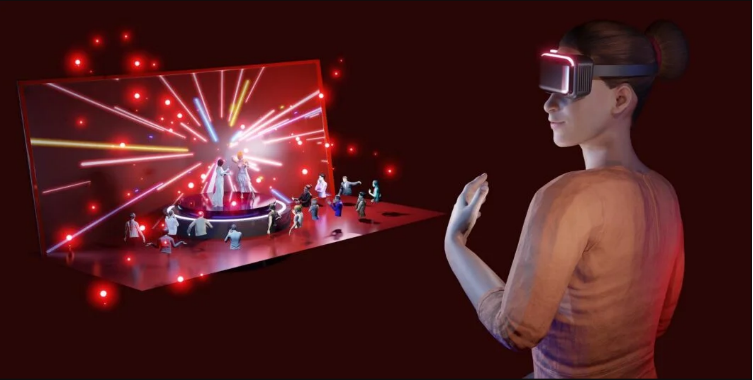

Virtual reality (VR) has rapidly evolved from a niche gaming innovation into a mainstream form of digital entertainment. With the rise of advanced headsets, improved motion tracking, and high-resolution displays, VR now offers users deeply immersive experiences that go far beyond traditional screens.
Today, VR is being used for gaming, virtual social spaces, training simulations, streaming platforms, and interactive media. As the ecosystem grows, platforms like vrspy.com reflect how immersive video experiences are expanding into more personalized and advanced digital entertainment formats.
In this article, we explore how VR technology is shaping the future of entertainment, streaming, and interactive digital experiences.
The Evolution of Virtual Reality
Virtual reality has come a long way since its early prototypes. What once required expensive, bulky equipment is now accessible through lightweight, consumer-friendly headsets.
Modern VR systems now offer:
● High-resolution stereoscopic displays
● Precise motion tracking
● Hand and gesture recognition
● Wireless connectivity
● Spatial audio immersion
These improvements allow users to feel fully “inside” a digital environment rather than simply observing it.
Why VR Is Becoming Mainstream
Several key factors are driving the rapid adoption of VR technology:
1. Hardware Accessibility
Devices like Meta Quest and other standalone headsets have significantly lowered the barrier to entry.
2. Expanding Content Ecosystem
VR is no longer limited to gaming. Users can now explore:
● Virtual tourism
● Fitness experiences
● Live events
● Interactive storytelling
● Immersive video content
3. Social Interaction in Virtual Spaces
VR platforms are increasingly becoming social hubs where users can meet, interact, and share experiences in real time.
The Rise of Immersive Video Streaming
One of the most important developments in VR is immersive video streaming. Unlike traditional video, VR content places the viewer inside a 360-degree environment, creating a stronger sense of presence and engagement.
Benefits include:
● Full environmental immersion
● Interactive viewing perspectives
● Greater emotional engagement
● Personalized experiences
This format is also influencing how digital entertainment platforms evolve, especially those focusing on advanced immersive media experiences.
Mixed Reality and the Future of Interaction
Mixed reality (MR) blends physical and virtual environments, allowing digital objects to interact with the real world.
Applications include:
● Interactive entertainment overlays
● Virtual workspaces
● Real-world training simulations
● Hybrid gaming environments
This technology is expected to play a major role in the next generation of immersive entertainment platforms.
Privacy and User Experience in VR
As VR systems become more advanced, privacy has become a key concern. These devices collect large amounts of behavioral and spatial data to enhance immersion.
Important privacy considerations include:
● Movement and tracking data security
● Account and identity protection
● Transparent data usage policies
● Secure streaming environments
Users are increasingly prioritizing platforms that respect privacy while still delivering high-quality immersive experiences.
Beyond Gaming: New VR Entertainment Categories
Although gaming remains a major part of VR adoption, the technology is expanding into many other entertainment areas.
Virtual Experiences
Users can explore simulated environments from anywhere in the world.
Interactive Media
Content is becoming more participatory rather than passive.
Premium Immersive Content
Some platforms are exploring advanced personalized VR experiences that go beyond traditional streaming formats, including highly immersive and adult-oriented digital entertainment experiences in controlled environments.
The Role of Specialized VR Platforms
As VR grows, specialized platforms are becoming more important for organizing and distributing immersive content.
Platforms like vrspy.com represent how the ecosystem is diversifying, offering users access to curated VR experiences and showcasing the future of immersive digital media consumption.
The Future of VR Entertainment
The future of VR is expected to focus on deeper immersion, better interactivity, and wider accessibility.
Key trends include:
● Lighter, more powerful headsets
● AI-driven content personalization
● Fully social virtual environments
● Real-time interactive streaming
● Improved realism in digital worlds
As technology continues to evolve, VR will likely become a standard part of digital entertainment ecosystems.
Conclusion
Virtual reality is transforming how people consume and interact with digital content. From gaming and social interaction to immersive video and mixed reality experiences, VR is reshaping entertainment at every level.
As platforms and technologies continue to develop, sites like VRSpy highlight how immersive digital media is evolving into more advanced and personalized experiences.
The future of entertainment is no longer just something you watch—it’s something you experience.